Mālama Napili: Restoring the Abundance of Our Bay
Mālama Napili: Restoring the Abundance of Our Bay
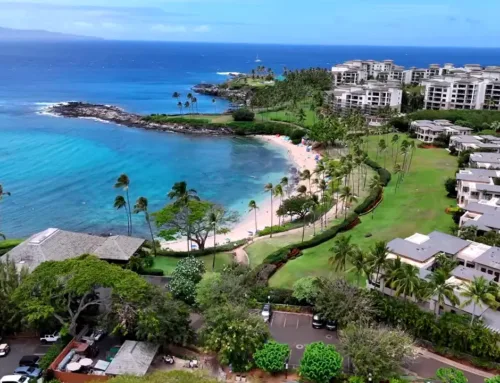
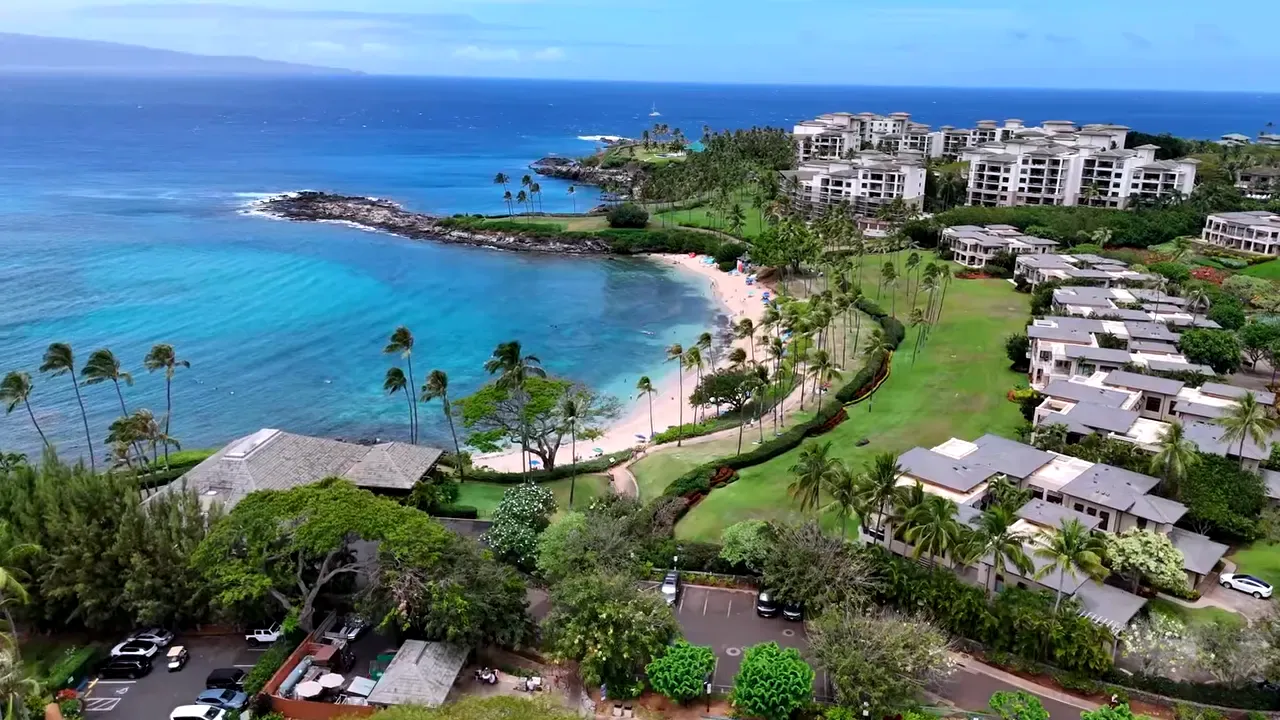
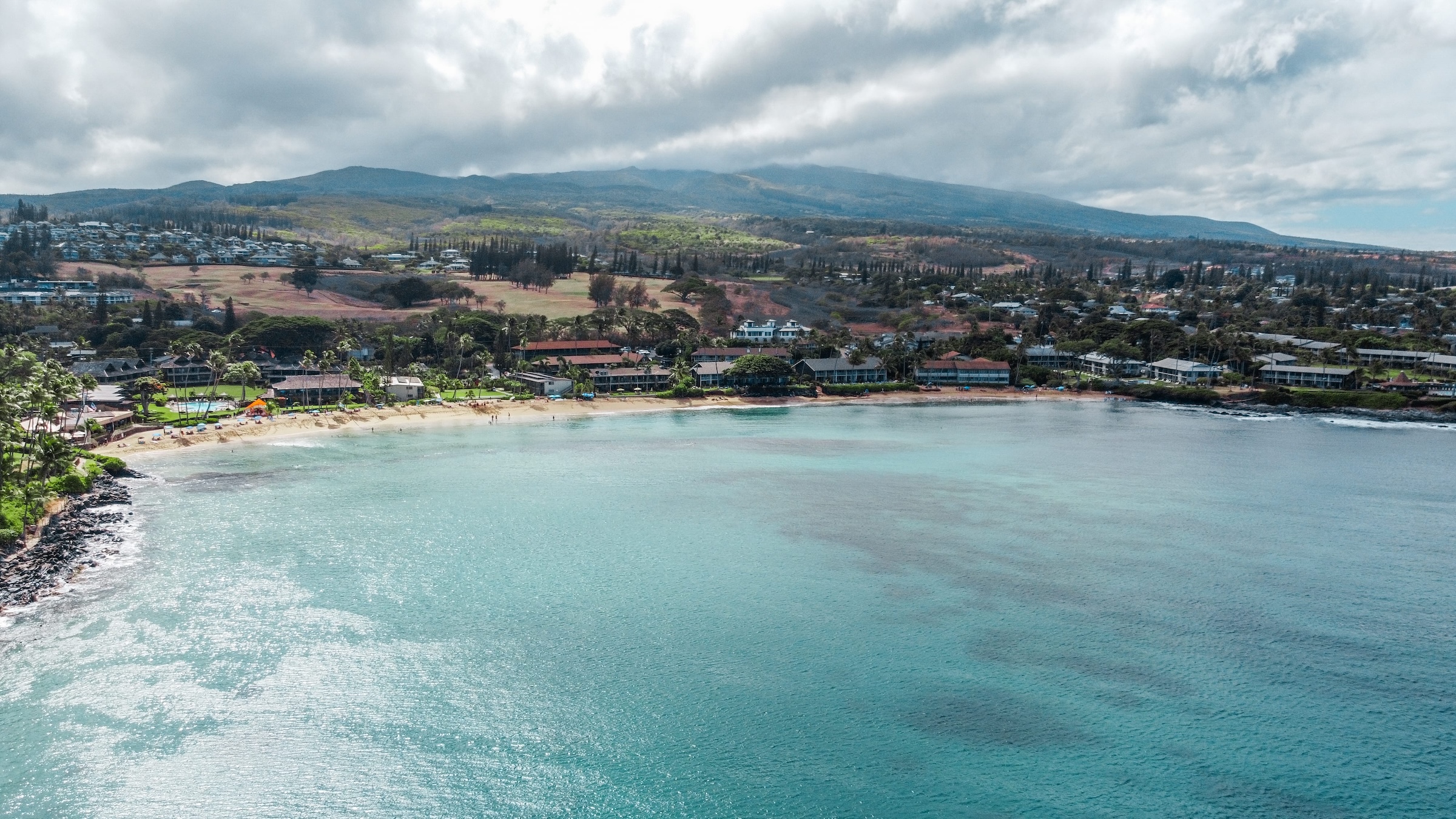
Through one family’s story of Nāpili Bay’s past abundance, we explore how this cherished reef has changed over 60 years, examining its decline and the community efforts now working to restore its vitality.
A Story of Lost Abundance
In the crystalline waters of Nāpili Bay, my mother, Yuklin Aluli, remembers spearfishing alongside her father, Kepoikai Aluli. Her memories are vivid—her father diving effortlessly beneath the waves, returning with fish to feed the entire ʻohana.
“The fish were everywhere,” she recalls. “We’d come back with enough for the whole family and still have some left to share. Nāpili was alive.”
This moʻolelo (story) is more than a family memory—it serves as living testimony of Nāpili Bay’s historical richness, a sharp contrast to the challenges facing the reef today.
Historical Baseline: Nāpili Bay’s Rich Past
- Coral cover in West Maui reefs averaged 30–40% higher than present levels
- Fish biomass was 250–350% greater than current measurements
- Native species diversity flourished across all marine life categories
- Traditional fishing grounds (koʻa) sustained consistent and responsible harvests
Current Conditions: A Changed Seascape
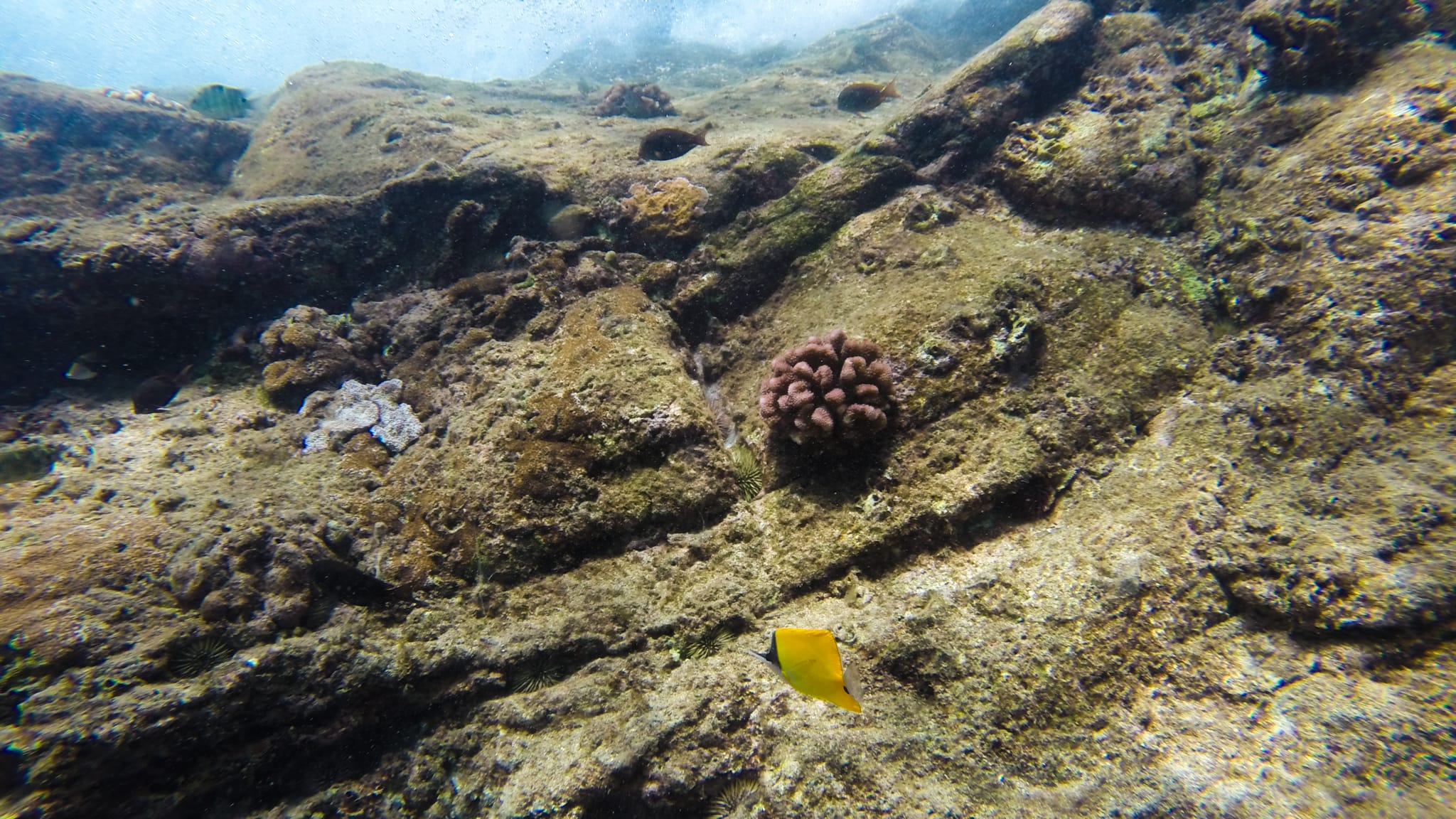
- Coral cover has declined by 25–75% since the 1970s
- Fish biomass has plummeted, especially among herbivorous species like uhu and manini—key grazers that prevent algae from smothering coral
- Turbidity—cloudiness from sediment and pollution—has risen to damaging levels
- Recurring coral bleaching events (2015, 2019, 2023) have devastated reef systems. Bleaching occurs when heat stress causes corals to expel the symbiotic algae they rely on for food and color.
What’s Driving the Decline?
1. Land-Based Pollution
- Sediment runoff from upland construction
- Agricultural and landscaping herbicides, particularly from nearby golf courses
- Groundwater seepage and storm drain discharge carrying chemicals directly into the bay
Golf courses near Nāpili must publicly disclose the herbicides and chemicals they use. The State should actively monitor these inputs to protect marine ecosystems.
2. Climate Impacts
- Warming seas triggering widespread coral bleaching
- Ocean acidification weakening coral skeletons
- Intensified storms physically damaging reefs
3. Direct Human Pressure
- Physical contact from swimmers, snorkelers, and boaters
- Chemical impact from non-reef-safe sunscreen, used in massive quantities—especially before local bans
- Overfishing and disregard for traditional seasonal closures
Recent education campaigns and legislation now restrict the sale and use of chemical sunscreens. Choose reef-safe sunscreen (zinc oxide or titanium dioxide) to help protect the bay.
4. Watershed Disruption
- Altered stream flows from developments
- Breakdown of ahupuaʻa land management
- Paved surfaces accelerating runoff
Cultural Knowledge, Local Solutions
Kapu System
Traditional restrictions (kapu) ensured sustainable fishing by closing areas or species during critical reproductive times.
Ahupuaʻa Management
Land was managed from mountain to sea, maintaining balance between upland practices and reef health.
Kilo
The practice of deep, patient observation helped Hawaiians notice subtle environmental shifts and adapt accordingly.
Mālama ʻĀina
To mālama the ʻāina is to care for it as kin—restoring balance for future generations.
Visitor Action Guide: How You Can Help
1. Sun Protection
- Use reef-safe mineral sunscreens only
- Wear UV-protective clothing instead of chemical sunscreens
2. Reef Interaction
- Keep a 10-foot distance from coral
- Never touch or stand on the reef
- Use designated reef-safe entry points
3. Water Quality
- Shower before ocean entry
- Avoid swimming during brown water advisories
- Report pollution or runoff sightings
4. Support Conservation
- Join citizen science programs
- Support local nonprofits working on reef restoration
- Educate others—especially visitors—about reef-safe behavior
A Call to Restore Abundance

Keanu’s story reminds us that Nāpili Bay’s degradation occurred within living memory—which means restoration is possible within our lifetime. Through combined scientific understanding, traditional wisdom, and community action, we can work to return abundance to our bay.
The path forward requires commitment from everyone who loves Nāpili—residents, visitors, businesses, and government agencies. Every small action contributes to the larger goal of restoring the bay’s mauri (life force) for future generations.
As our kupuna (elders) remind us: “He aliʻi ka ʻāina, he kauā ke kanaka.” The land is chief; humans are its stewards.
Organizations to partner with:
https://www.napilibayfoundation.org/
https://www.huiokawaiola.com/
https://www.westmauir2r.com/
hawaiian-islands/maui/west-maui/
https://savewestmaui.com/https://mauioceancenter.com/volunteer-opportunities/